Ever looked at your clothes in the harsh glare of a bathroom light and wondered if you actually own that color? Or maybe a perfect outfit looked a bit ‘off’ once you stepped outside. That’s a common wardrobe woe, and surprisingly, a lot of it comes down to the light you’re using. The good news? Upgrading your lighting to High-CRI LEDs can make a serious difference, helping you see your clothes, and yourself, in a much truer light.
Why Your Wardrobe Needs Better Light
Think of your wardrobe as your personal gallery. You curate your outfits, deciding what looks good together, what flatters you, and what expresses your mood. But if the lighting Aijolighting is poor, your gallery walls are smudged, and the true colors of your artwork are lost. This is where the magic of good lighting comes in, and specifically, High-CRI LEDs. They’re not just about brightness; they’re about accuracy.
The Problem with Standard Lighting
Most homes, especially older ones, are lit with bulbs that aren’t designed to show true colors. This is because they only emit a limited spectrum of light. Imagine trying to paint a vibrant sunset using only shades of grey and blue – you’re going to miss a lot of the nuance.
- Color Distortion: Standard lights can make vibrant colors look dull, or worse, change their hue entirely. That “electric blue” sweater might appear more like a muted navy.
- Flaws Become Apparent (or Invisible): Pilling on a sweater, a slight snag, or even a faint stain can be hidden under poor lighting, only to be discovered later under natural daylight, leading to minor wardrobe embarrassments.
- Outfit Mismatch: That subtle beige scarf might look like a pale yellow under your closet light, leading to an unexpected color clash when you get to work.
What is CRI, Anyway?
CRI stands for Color Rendering Index. It’s a measure of how accurately a light source reveals the true colors of objects compared to a natural light source (like the sun). The scale goes from 0 to 100.
- Low CRI (Below 70): These lights significantly distort colors. Think of cheap discount store lighting or some older fluorescent bulbs.
- Medium CRI (70-80): Better, but still not ideal for accurate color representation.
- High CRI (80+): Lights in this range start to look pretty good.
- Very High CRI (90+): This is where the real magic happens. These bulbs come closest to replicating natural daylight and will show you the true colors of your clothes.
The Benefits of High-CRI LEDs for Your Clothes
Switching to High-CRI LEDs isn’t just a technical upgrade; it’s a practical improvement for your daily life. It’s about making better decisions about what you wear and feeling more confident when you step out.
Seeing Your True Colors
This is the most significant payoff. High-CRI LEDs, particularly those with a CRI of 90 or above, will show you the actual color of your garments. This means no more surprises when you see your outfit in natural light.
- Accurate Shade Matching: You can confidently pair colors, knowing that what you see in your closet is what you’ll get in daylight. This is especially important for subtle shades or color complexities.
- Understanding Fabric Dyes: Different fabrics take dyes differently. High-CRI light helps you see the subtle variations in how a dye appears on silk versus cotton, for instance.
Making Smarter Wardrobe Choices
When you can see colors accurately, you make better decisions. This translates into saving time, avoiding mistakes, and generally feeling more in control of your sartorial choices.
- Confidence in Outfits: Knowing your outfit looks as good as it appears under your closet lights boosts your confidence throughout the day.
- Reduced Wardrobe “Mistakes”: You’re less likely to grab an item that clashes or looks ‘off’ because you’ve seen it accurately beforehand.
- Better Organization: If you organize your closet by color, accurate lighting ensures your color coding is actually correct.
Spotting Fabric Imperfections
This is a practical benefit that saves you from embarrassing situations. High-CRI light reveals fabric details that dimmer or distorted light can hide.
- Identifying Pilling and Wear: You can spot developing pilling on a sweater before it becomes a major issue, allowing for timely de-pilling.
- Catching Stains and Marks: Small, unnoticed marks or stains are much easier to spot under accurate lighting, giving you a chance to treat them.
- Examining Fabric Texture: The way light interacts with fabric texture can be better appreciated with High-CRI LEDs, helping you assess the quality and feel of your garments.
Where to Implement High-CRI LED Lighting
It’s not just about one bulb; it’s about strategic placement to get the most benefit. Think about the areas where you make your most critical wardrobe decisions.
The Closet Itself
This is the obvious starting point. If your closet feels like a dark cave, or the light there makes colors look muddy, this is where you’ll see the biggest impact.
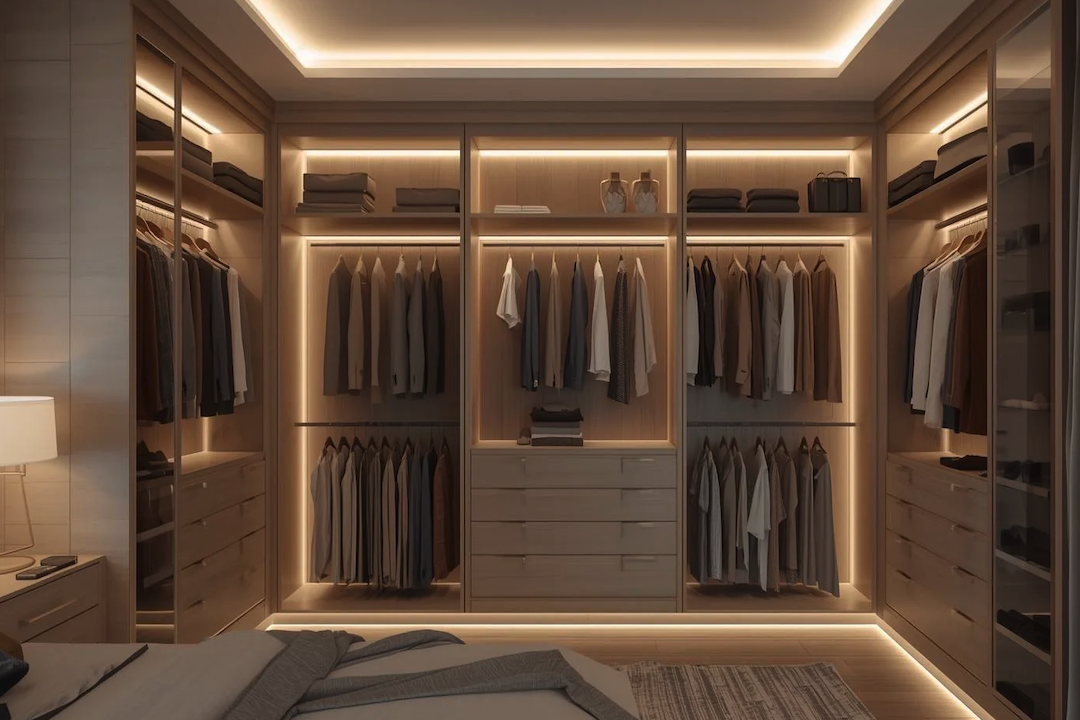
- Integrated Closet Lighting: Many modern closets have built-in LED strips. Ensure these have a high CRI.
- Overhead Fixtures: Replace existing bulbs in your main closet ceiling fixtures.
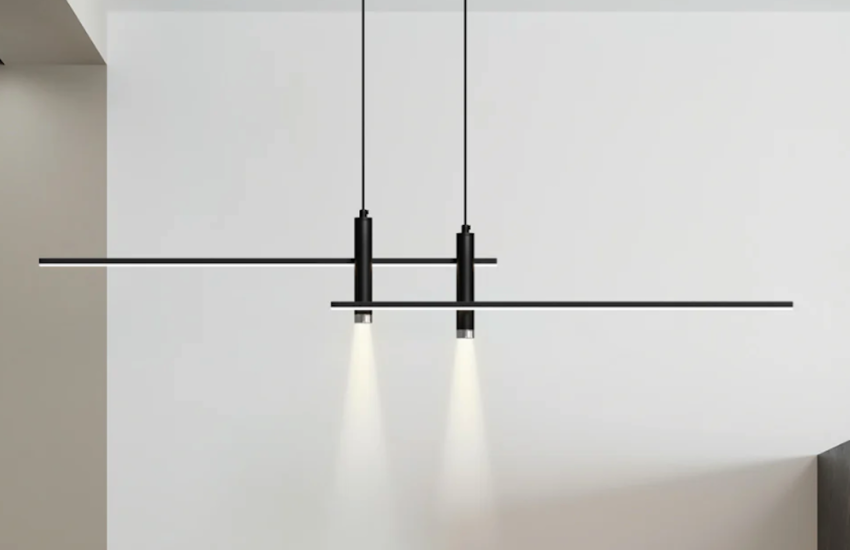
- Pendant Lights or Track Lighting: For larger walk-in closets, these can provide excellent overall illumination.
Your Dressing Area or Vanity
This is where you often do the final check of your outfit, do your makeup, and style your hair. Accurate lighting here is crucial.
- Vanity Lights: Many vanity lights are designed with color accuracy in mind, but always check the CRI.
- Sconces Around a Mirror: Placing lights on either side of a mirror can provide balanced, shadow-free illumination that’s excellent for assessing outfits.
- Task Lighting: A focused beam of light on your dressing table can help with fine details.
Near Your Full-Length Mirror
The last look before you leave the house. This is your ultimate outfit-checking station.
- Floor Lamps: A well-placed floor lamp with a high-CRI bulb can cast flattering and accurate light for a full-body view.
- Wall-Mounted Fixtures: Similar to vanity sconces, these offer balanced lighting.
Choosing the Right High-CRI LEDs
Not all LEDs are created equal, and “High-CRI” can still have variations. Here’s what to look for beyond the basic number.
Understanding CRI and TM-30
While CRI is the standard, it has some known limitations in how it measures color accuracy, especially for certain vibrant colors. A newer metric called TM-30 (or IES TM-30-15) offers a more comprehensive assessment.
- Look for CRI 90+: This is your baseline for excellent color rendering.
- Consider TM-30 Values: If available, look for a high Rf (color fidelity index) and Rg (color gamut index). High Rf means colors are rendered accurately, and high Rg means the saturation of colors is well-represented. For wardrobe purposes, aim for both high Rf and Rg.
- “Vivid” or “True Color” Labels: Some manufacturers use marketing terms. Always cross-reference with the actual CRI and, if possible, TM-30 values.
Kelvin (Color Temperature) Matters Too
Beyond color accuracy, the color temperature of the light affects the mood and how colors appear. This is measured in Kelvin (K).
- Warm White (2700K-3000K): This offers a cozy, inviting glow. It can make colors appear richer and is often preferred in living spaces. It’s a good choice for a more relaxed dressing area.
- Neutral White (3500K-4000K): This is often described as similar to daylight around noon. It’s a balanced light that’s very good for seeing colors accurately without being overly harsh. This is often the sweet spot for closets and dressing areas.
- Cool White (4500K-6500K): This is a brighter, bluer light, akin to daylight on a very bright, clear day. While not always the most flattering for skin tones, it can be excellent for seeing very fine details and is often used in retail environments for accurate color display.
- Recommendation for Wardrobes: A temperature between 3500K and 4000K is usually ideal for wardrobe lighting. It provides a good balance of accurate color rendering and a pleasant, neutral ambiance. If you prefer a warmer feel, a 3000K CRI 90+ bulb can work, but be aware it might slightly mute very bright, cool colors.
Practical Tips for Installation and Beyond
Switching to High-CRI LEDs is usually straightforward, but a few pointers can make the process smoother and the results better.
Replacing Existing Bulbs
In most cases, you’re simply swapping out old bulbs for new LED ones.
- Check Your Fixture Type: Ensure the LED bulb you buy is compatible with your existing sockets (e.g., E26, E12, GU10).
- Dimmer Compatibility: If your lights are on a dimmer, make sure the new LED bulbs are also advertised as “dimmable.” Not all LED bulbs work with all types of dimmers, so check compatibility. A specific LED dimmer might be necessary for smooth dimming.
- Read Reviews: Online reviews can offer insights into how well a specific bulb performs in real-world conditions, including color accuracy and consistency.
Considering New Fixtures
If your current fixtures are dated or don’t provide adequate light coverage, consider an upgrade.
- Placement is Key: For walk-in closets or dressing areas, think about where light sources will provide the most even illumination. Lights on either side of a mirror are often better than one directly overhead, which can create shadows.
- Brightness (Lumens): While CRI is about color accuracy, lumens are about brightness. You’ll want sufficient lumens for your space to see clearly. A general guideline is 10-20 lumens per square foot for closets, but this can vary based on preference.
- Professional Installation: For more complex installations, like adding new wiring or recessed lighting, it’s best to hire an electrician.
Long-Term Maintenance and Enjoyment
Once you’ve made the switch, there’s not much maintenance involved, which is one of the great benefits of LEDs.
- Longevity: LEDs are incredibly long-lasting, meaning you won’t be changing bulbs very often.
- Energy Efficiency: You’ll also notice a reduction in your electricity bill due to their energy efficiency.
- Appreciate the Difference: Take a moment to consciously observe your clothes under the new lights. It might take a few days to adjust, but you’ll likely start to see how much more vibrant and true your wardrobe’s colors truly are. You might even find yourself rediscovering items you’d forgotten because their color looked different under the old lights. This simple upgrade can genuinely enhance your daily routine and your confidence.