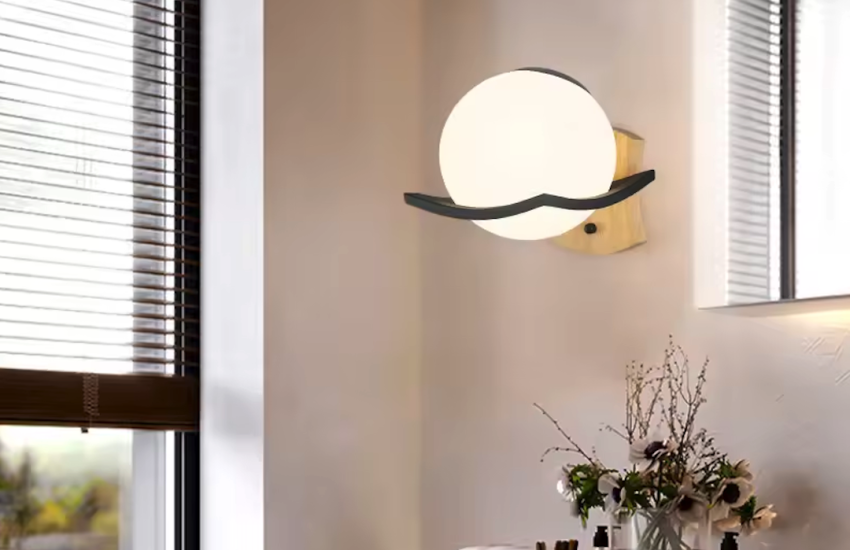
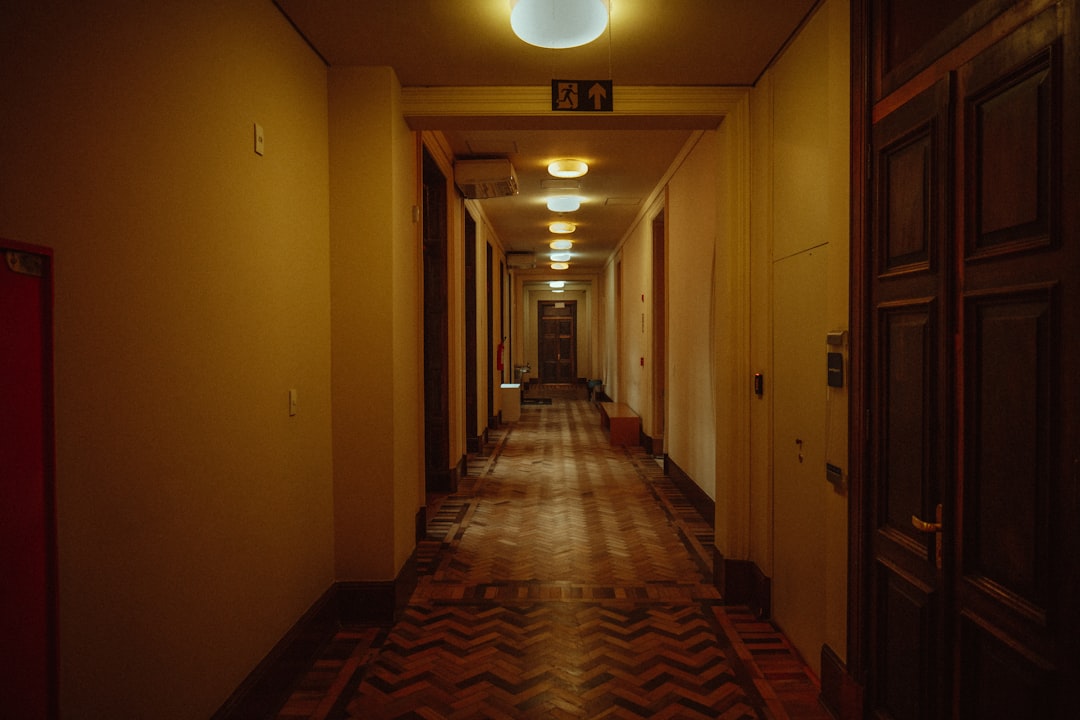
Worried about tripping in a dark hallway, or fumbling for a light switch with a laundry basket in hand? Motion-activated hallway lighting is a really practical solution that can genuinely enhance safety and convenience in your home. Instead of scrambling for a switch, these lights simply turn on when you enter a space and turn off once you leave, making those nighttime trips or early morning dashes much smoother.
Let’s cut to the chase – why should you even consider this for your home? It’s more than just a fancy gadget; it brings some tangible advantages.
Avoiding Accidents and Injuries
This is probably the most significant benefit. Dark hallways are a common cause of trips, especially for children, the elderly, or anyone just not paying full attention. Imagine carrying something heavy, or simply being half-asleep – a well-lit path is invaluable.
- Minimizing Tripping Hazards: No more stubbed toes or worse. When the light comes on automatically, you can clearly see obstacles, toys left on the floor, or uneven surfaces. This is a game-changer for homes with young kids or pets who might leave things in unexpected places.
- Enhanced Visibility for All Ages: For older individuals, whose night vision might not be as sharp, or those with mobility issues, instant light Mosundesign is a huge comfort and safety net. It reduces the risk of falls drastically. And for anyone needing to use a cane or walker, having both hands free from light switch duties is a definite plus.
Practical Convenience and Comfort
Beyond just safety, there’s a real comfort factor. It’s about making your home life a little bit easier.
- Hands-Free Illumination: Think about those times you’re carrying groceries, laundry, or a sleeping child. Reaching for a light switch is an awkward maneuver. With motion-activated lights, you simply walk through, and the path is lit. This seamless experience is incredibly convenient and reduces daily friction.
- Effortless Nighttime Navigation: Ever stumbled to the bathroom in the middle of the night, half-awake, trying to find your way? Motion-activated lights make these nocturnal wanderings much safer and less jarring. The light guides you without fully waking you up with a blaring overhead fixture.
- Welcoming Guests (and Yourself): Walking into a dimly lit house, especially a hallway, can feel a bit unwelcoming or even daunting. Motion lighting provides an immediate sense of arrival and security, making the entrance feel brighter and more inviting for both residents and visitors.
Energy Efficiency and Cost Savings
This is where the “smart” aspect really shines. You’re not just turning lights on when you need them, but also ensuring they turn off when you don’t.
- Reduced Energy Consumption: Lights aren’t left on unnecessarily. How many times have you walked out of a room and forgotten to flick the switch? Motion sensors ensure the lights are only active when someone is present in the hallway. This can lead to a noticeable decrease in your electricity bill over time.
- Extended Bulb Life: Less operational time means less wear and tear on your light bulbs. Whether you’re using traditional incandescents (though less common now), CFLs, or LEDs, reducing their active hours will extend their lifespan, meaning fewer replacements and less maintenance. While LEDs already have a long life, maximizing it further is always a good idea.
Understanding How Motion Sensors Work
It’s not magic, it’s technology. Knowing the basics helps you choose the right system and troubleshoot any issues.
PIR (Passive Infrared) Sensors: The Most Common Type
You’ll hear this term a lot. It’s the workhorse of most consumer-grade motion sensors.
- Detecting Heat Signatures: PIR sensors work by detecting changes in infrared radiation (heat energy). Humans and animals emit infrared light. When a warm body moves into the sensor’s field of view, it registers a change in the infrared pattern, triggering the light to turn on. Think of it like a tiny infrared camera constantly looking for warmth.
- Sensitivity and Range: These sensors can often be adjusted in terms of sensitivity. This means you can fine-tune whether it triggers for a small pet or only for a larger human. The range, or how far it can “see” in front of it, is also a crucial factor depending on your hallway length and layout. A typical range might be 10-20 feet, but this varies.
Microwave Sensors: Advanced but Less Common for Hallways
While you might find these in some industrial or commercial settings, they’re less typical for standalone residential hallway lighting.
- Emitting and Detecting Reflected Waves: Unlike PIR, microwave sensors actively emit microwave radiation and then detect changes in the reflected waves. When an object moves within its range, it disrupts the pattern of the reflected waves, triggering the light.
- Detection Through Walls (Pros and Cons): The key difference is that microwave sensors can detect motion through thin walls or doors. This can be a pro if you want very early detection, but a con if you want precise control over where the light activates. For a simple hallway, PIR is usually more than sufficient and less prone to false triggers from adjacent rooms.
Time Delay Settings: Customizing Your Experience
This is a critical feature for any motion-activated light.
- Adjusting How Long Lights Stay On: Most practical motion lights allow you to set how long the light remains on after motion is no longer detected. This can range from a few seconds to several minutes. For a hallway, a shorter delay (e.g., 30-60 seconds) is often ideal, as you’re typically just passing through. If it’s too short, the light might turn off while you’re still in the hallway; too long, and you lose some energy efficiency benefit.
- Avoiding False Triggers and Annoyances: A properly set time delay prevents the light from flicking off too quickly, leaving you in the dark, or staying on for too long after you’ve left the area. It’s about finding that sweet spot for your specific traffic patterns.
Types of Motion-Activated Hallway Lighting Solutions
You’ve got options, from simple to full-blown smart home integration. Consider your budget, technical comfort, and desired functionality.
Integrated Fixtures: All-in-One Simplicity
This is often the easiest path if you’re replacing an existing fixture.
- Ceiling-Mounted Lights: These are popular for central hallway lighting. The sensor is built directly into the fixture itself. You simply replace your old ceiling light with the new motion-activated one. Installation is fairly straightforward if you’re comfortable with basic electrical work, similar to swapping out any light fixture.
- Wall Sconces with Sensors: For longer or more decorative hallways, wall sconces with integrated motion sensors can provide a more aesthetic and spread-out light source. They ensure the sensor is at a good height to detect movement effectively.
- Pros: Clean look, no extra components, usually simple installation.
- Cons: Less flexible if you want to change the “smart” component later, may require electrical wiring.
Screw-in Bulb Sensors: The Easiest Upgrade
This is a fantastic option for renters or anyone who wants a minimal-fuss installation.
- Motion-Detecting Bulbs: These are LED bulbs with a built-in motion sensor. You simply screw them into an existing light fixture, and they work. It’s an instant upgrade.
- Practicality for Existing Fixtures: If you have hallway fixtures you like, or don’t want to deal with wiring, these bulbs are perfect. Just ensure the fixture isn’t completely enclosed, as the sensor needs a clear line of sight.
- Pros: Incredibly easy to install, no wiring required, portable if you move.
- Cons: Sensor range might be limited compared to dedicated fixtures, aesthetics might not be as seamless as an integrated fixture (depending on the bulb design).
Standalone Motion Sensors with Existing Lights: Modular Approach
This gives you a bit more control and flexibility.
- Wall-Mounted Occupancy Sensors (Replaces Light Switch): These look like regular light switches but contain a motion sensor. They replace your existing hallway light switch and control the normal overhead lights. When motion is detected, they complete the circuit, turning on the lights.
- Remote Sensors Paired with Smart Bulbs/Switches: For a truly customizable setup, you can have a separate, battery-powered motion sensor that communicates wirelessly (e.g., via Zigbee, Z-Wave, or Wi-Fi) with smart bulbs or smart switches. This allows you to place the sensor optimally without needing to run wires, and integrate it into a larger smart home system.
- Pros: High flexibility, can integrate into smart home systems, allows you to keep existing light fixtures.
- Cons: Might involve more complex setup (especially with smart home integration), separate components to manage.
Battery-Powered Stick-On Lights: Quick and Effortless
For truly minimal commitment or temporary solutions.
- LED Strips or Puck Lights: These are small, often battery-operated lights with integrated motion sensors. They usually come with adhesive backing, so you can stick them along baseboards, under handrails, or in closets within the hallway.
- Supplemental Lighting: These are great for adding extra light in specific problem areas, like a dark corner or a step you keep missing. They aren’t usually bright enough for primary hallway illumination but are excellent for accent or targeted safety lighting.
- Pros: No wiring, super easy to install, very affordable, great for renters.
- Cons: Battery changes are required, not as bright as wired solutions, generally for supplemental light only.
Key Considerations Before Installation
Don’t just buy the first thing you see. A little planning goes a long way to ensure you’re happy with your setup.
Hallway Layout and Size
Every hallway is different, and this will dictate your needs.
- Length and Width: A long, narrow hallway might benefit from multiple smaller fixtures or strategically placed wall sconces, while a shorter, wider area might be fine with a single overhead light. The sensor’s range is critical here – will one sensor cover the entire length, or do you need two?
- Obstructions and Turns: Are there doors that open into the hallway? Furniture? Corners or L-shaped hallways? These can block a sensor’s line of sight, creating dead zones. Consider where motion detection is most crucial. An L-shaped hallway might need a sensor at each bend or entrance.
- Natural Light Levels (Dusk-to-Dawn Sensors): Many motion sensors also include a photocell, meaning they only activate when the ambient light level drops below a certain threshold (e.g., at dusk or during dark hours). This is a great energy-saving feature. If your hallway gets good natural light during the day, ensure your chosen sensor has this feature so it’s not turning on unnecessarily in daylight.
Sensor Placement and Angle
This is crucial for reliable operation.
- Optimal Detection Height: For human motion, installing the sensor around 6-8 feet (1.8-2.4 meters) high is usually ideal. Too low, and it might detect pets more than people; too high, and it might miss motion close to the ground or just register heads as they pass quickly.
- Avoiding False Triggers: Placement is key to preventing lights from turning on unintentionally.
- Direct Heat Sources: Avoid placing sensors directly above or next to heat vents, radiators, or appliances that emit heat. The fluctuating heat can mimic motion and cause false triggers.
- Moving Objects: Curtains that billow in a draft, ceiling fans, or even reflections from glass can sometimes trigger sensitive sensors. Test the placement before finalizing if possible.
- Door Traffic: If a sensor is placed directly opposite a door that’s frequently opened, it might trigger the light just from the door swinging open, even if no one enters the hallway. Angle it slightly to avoid this.
Power Source and Wiring
This is where the practicalities of installation really come into play.
- Existing Wiring vs. Battery-Powered: Do you have existing electrical boxes you can use? Or are you looking for a completely wireless solution? Wired solutions are generally more reliable and brighter but involve more installation work. Battery-powered options are easy but require battery replacement.
- DIY or Professional Installation: For integrated fixtures or wall-mounted switches, if you’re not comfortable with basic electrical work (turning off breakers, stripping wires, making connections), it’s always best to hire a qualified electrician. For screw-in bulbs or stick-on lights, it’s a simple DIY project.
Maintenance and Troubleshooting Tips
Even the best systems can have minor quirks. Here’s what to keep in mind.
Cleaning the Sensor Lens
A surprisingly common issue for non-responsive sensors.
- Dust and Dirt Accumulation: Over time, dust, cobwebs, or even paint overspray can accumulate on the sensor lens, obscuring its detection capabilities. It effectively “blinds” the sensor.
- Gentle Cleaning: If your light isn’t turning on reliably, try gently wiping the sensor lens with a soft, dry cloth. Avoid abrasive cleaners. This simple step often resolves detection issues.
Adjusting Sensitivity and Time Delay
Fine-tuning your settings is crucial for optimal performance.
- Trial and Error: Most motion sensors have dials or dip switches for adjusting sensitivity and time delay. It’s often a bit of trial and error to get it just right for your specific hallway and usage patterns. Walk through the hallway at different speeds, with and without pets, to test.
- Optimizing for Usage: If the light is turning off too quickly, increase the time delay. If it’s turning on when there’s no visible motion, try reducing the sensitivity or rechecking for false trigger sources. Make small adjustments and observe the results before making further changes.
Checking Power Supply and Bulb Condition
The basics can often be overlooked.
- Battery Replacement: If using battery-powered lights, ensure the batteries are fresh. Weak batteries can lead to inconsistent operation or dimmer lights.
- Bulb Failure: Even with extended lifespans, bulbs eventually burn out. If the motion sensor appears to be working (e.g., you hear a click, but no light), the bulb might be the issue. Try replacing the bulb first before assuming a sensor malfunction.
- Wiring Connections: For wired systems, if the light completely stops working, and you’ve eliminated the bulb as the cause, then it’s time to double-check the wire connections (after turning off the power at the breaker!). If you’re not comfortable, call an electrician.
By implementing motion-activated hallway lighting, you’re not just adding a cool gadget to your home; you’re actively creating a safer, more convenient, and more energy-efficient environment for everyone who lives there. It’s a simple change with a significant positive impact on your daily life.