The incorporation of brushed brass chandeliers can significantly alter the atmosphere and aesthetic of a dining room. This metallic finish, distinct from polished brass, presents a muted luster that lends itself to a variety of interior design styles. Unlike its more reflective counterpart, brushed brass offers a softer, more diffused glow, contributing to a sense of understated elegance rather than overt opulence. Its inherent warmth and aged appearance can evoke feelings of history and craftsmanship, making it a versatile choice for modern, transitional, and even some traditional settings.
The Nature of the Finish
Brushed brass is brass that has undergone a mechanical finishing process. This process typically involves using abrasive materials to create fine, parallel lines on the surface of the metal. These lines diffuse light Dililamp, giving the brass a matte or satin appearance. The texture created by brushing is perceptible to the touch, offering a tactile dimension to the material.
The Color Palette
The color of brushed brass is generally a soft, warm gold. The exact hue can vary depending on the brass alloy and the specific brushing technique employed. It tends to be less vibrant and more subdued than polished brass, often described as having an antique or lived-in quality. This nuanced coloration allows it to integrate more seamlessly with other materials and colors in a room, acting as a sophisticated neutral rather than a dominant statement.
Durability and Maintenance
Brushed brass is known for its durability. The brushed finish can be more forgiving of fingerprints and minor scuffs compared to highly polished surfaces, which tend to show every imperfection. However, like all brass finishes, it can oxidize over time, developing a patina. This patina is often considered desirable, as it adds to the vintage character of the fixture. For cleaning, a soft, dry cloth is generally recommended. For more persistent marks, a mild, non-abrasive cleaner specifically designed for brass can be used, followed by a gentle buffing to maintain the brushed texture. Harsh chemicals or abrasive scouring pads should be avoided, as they can damage the finish.
Design Impact on the Dining Room
Setting the Ambiance
The primary role of lighting in a dining room is to influence the mood and enhance the dining experience. A brushed brass chandelier, with its warm glow, can create an inviting and intimate atmosphere. The diffused light it casts is less likely to be harsh or glaring, promoting relaxation and conversation. This makes it particularly well-suited for evening meals or gatherings where a comfortable and welcoming environment is desired.
Architectural and Aesthetic Cohesion
The style of a brushed brass chandelier can serve as a cornerstone for the overall design of the dining room. Its presence can either anchor existing decor or inspire new design choices.
Traditional Elements
In a room with traditional furniture, such as mahogany tables or upholstered chairs, a brushed brass chandelier with classic lines, such as a tiered design or a candle-style fixture, can complement these elements harmoniously. The aged look of the brushed brass echoes the historical roots of traditional design.
Modern Minimalism
For a modern, minimalist dining room, a brushed brass chandelier with a simpler, geometric form can provide a subtle yet impactful accent. The warmth of the brass can soften the starkness of clean lines and neutral color palettes, preventing the space from feeling cold or sterile. A low-profile, linear fixture, for instance, can draw the eye without overwhelming the minimalist aesthetic.
Transitional Spaces
Transitional design, which blends traditional and contemporary elements, is a natural fit for brushed brass chandeliers. The metal’s ability to bridge different eras and styles makes it an ideal choice for rooms that incorporate a mix of furniture and decor from various periods. A chandelier featuring both organic shapes and clean, modern details can effectively tie together disparate elements.
Focal Point Creation
A well-chosen chandelier has the power to become the visual anchor of the dining room. A brushed brass fixture, with its inherent visual appeal, can easily fulfill this role. Its placement above the dining table further emphasizes its importance, drawing attention and shaping the perception of the space. The size and scale of the chandelier should be proportionate to the dining table and the room itself to ensure it effectively commands attention without dominating the space.
Styles of Brushed Brass Chandeliers
Contemporary and Modern Designs
Contemporary brushed brass chandeliers often feature clean lines, geometric shapes, and minimalistic profiles. These designs eschew ornate detailing in favor of sleek silhouettes and thoughtful construction.
Linear and Geometric Forms
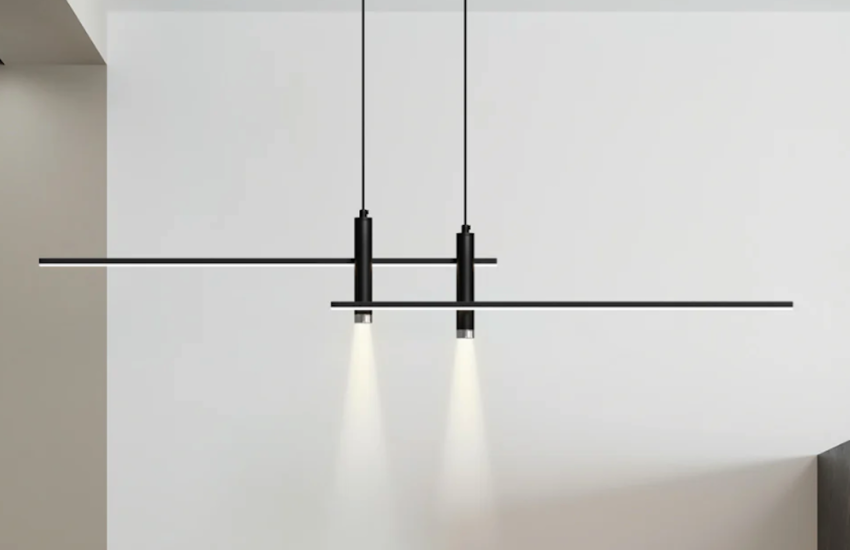
Linear chandeliers, characterized by their elongated forms and often housing multiple bulbs or LED strips, can span the length of a dining table, providing focused illumination. Geometric designs might incorporate spheres, cubes, or interconnected shapes, creating sculptural elements that are as much art as they are lighting. The brushed brass finish adds a layer of sophistication to these modern aesthetics.
Minimalist Structures
Minimalist brushed brass chandeliers might consist of a simple hoop, a series of suspended rods, or a single, slender stem. The emphasis is on the quality of the material and the elegance of the form, with very little adornment. The light source itself is often integrated seamlessly, further contributing to the uncluttered appearance.
Traditional and Classic Motifs
Traditional brushed brass chandeliers draw inspiration from historical lighting designs, incorporating elements that evoke a sense of timeless elegance.
Tiered and Symmetric Structures
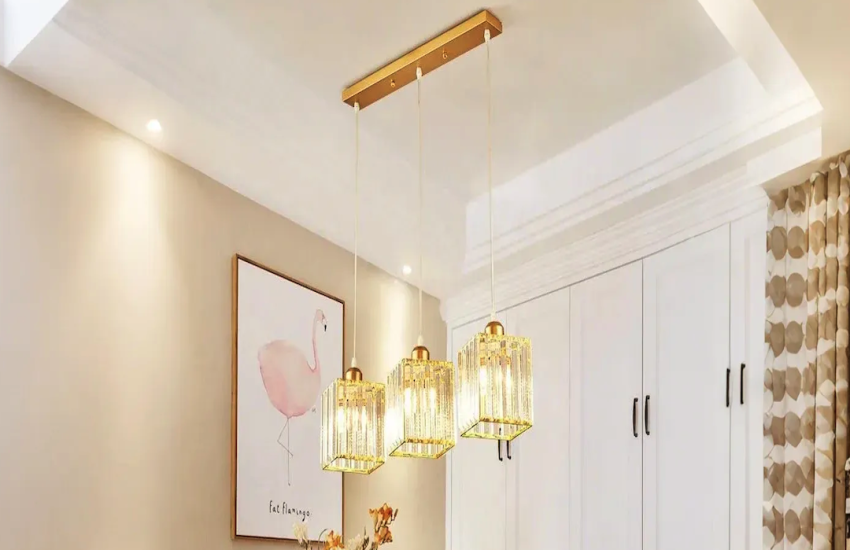
Tiered chandeliers, with multiple levels of lights and arms, are a classic choice. Their symmetric designs and often intricate detailing, such as faux candle holders or crystal accents, lend themselves well to formal dining rooms. Brushed brass softens the potential severity of these more elaborate designs, making them feel more approachable.
Candle-Style Fixtures
Chandeliers designed to resemble candelabras, with arms that extend outwards and bulbs placed in imitation candle sleeves, offer a charming, vintage appeal. The brushed brass finish enhances this historical effect, creating a warm and inviting glow reminiscent of old-world dining rooms.
Industrial and Rustic Influences
The warmth and slightly aged appearance of brushed brass also lend themselves to industrial and rustic design aesthetics.
Exposed Bulb Designs
Chandeliers featuring exposed Edison bulbs or filament-style LED bulbs are a hallmark of industrial design. Brushed brass frames or hardware can provide a sophisticated counterpoint to the raw aesthetic of exposed bulbs and metalwork, adding a touch of refinement.
Farmhouse Charm
In farmhouse or rustic settings, brushed brass chandeliers can introduce a touch of refined elegance without feeling out of place. Fixtures with simple, open designs, perhaps incorporating elements like faux wood accents or distressed metal, can complement wooden furniture and natural materials. The brushed brass here adds a subtle gleam that elevates the rustic character.
Integration into Dining Room Design
Scale and Proportion
The size of a brushed brass chandelier in relation to the dining table and the room’s dimensions is a critical consideration. A fixture that is too large can overwhelm the space, while one that is too small will appear insignificant and fail to provide adequate illumination. A general guideline is that the chandelier should be approximately one-half to two-thirds the width of the dining table. In terms of height, the bottom of the chandelier should typically hang about 30-36 inches above the tabletop for optimal illumination and to allow diners to see each other comfortably.
Material Pairings
The successful integration of a brushed brass chandelier depends on how it interacts with other materials in the dining room.
Wood Tones
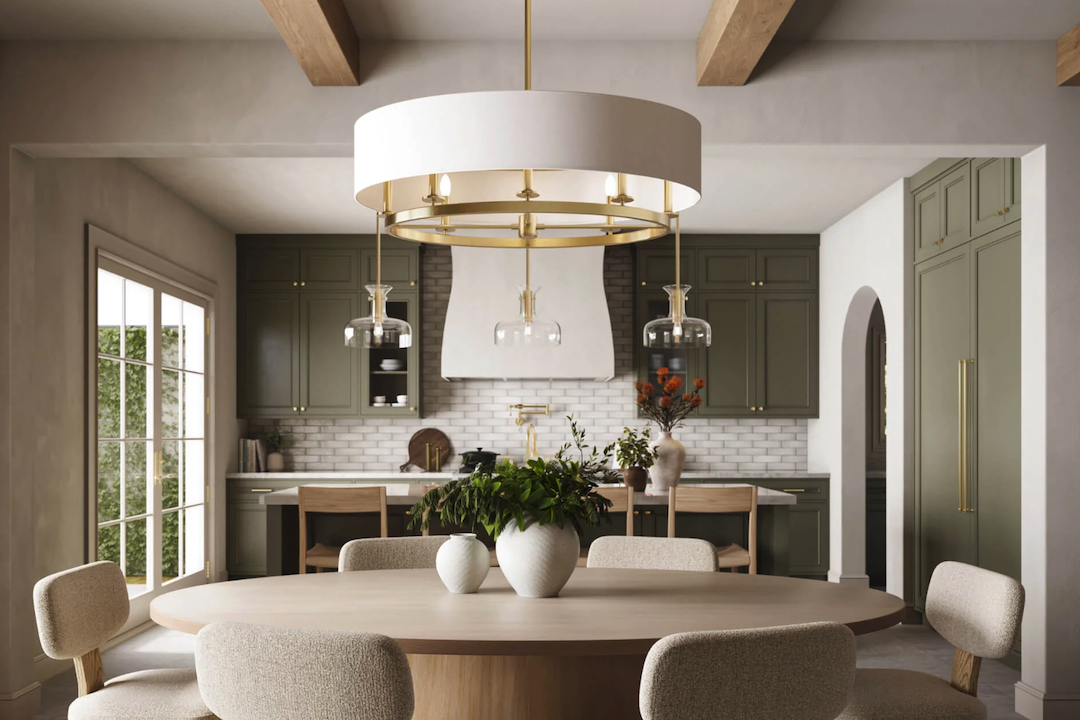
Brushed brass harmonizes exceptionally well with a variety of wood tones. Its warm metallic hue complements the natural warmth of oak, walnut, cherry, and maple. Whether the wood is dark and rich or light and airy, brushed brass can provide a tasteful contrast or a subtle accent. It can tie together different wood elements, such as a wooden table, chairs, and cabinetry, creating a cohesive look.
Stone and Marble
In dining rooms featuring stone or marble elements, such as countertops, fireplace surrounds, or tabletops, brushed brass offers a warm metallic contrast. It can soften the cool, hard surfaces of these materials, adding a touch of organic warmth and visual interest. The visual dialogue between metal and stone can create a sophisticated and luxurious feel.
Upholstery and Textiles
The interplay between brushed brass and the fabrics used in the dining room, such as chair upholstery, curtains, or rugs, is also important. Brushed brass can act as a metallic accent that complements a wide range of colors and textures. It can add a touch of polish to a room with natural fiber upholstery, or it can bring warmth to a more formal setting with velvet or silk.
Color Scheme Complementarity
The versatility of brushed brass allows it to integrate with numerous color palettes.
Neutrals and Earth Tones
In a dining room dominated by neutrals, such as beige, cream, gray, or white, brushed brass provides a warm metallic element that prevents the space from feeling monochromatic or sterile. It adds depth and visual interest without introducing a competing color. Earth tones, such as deep greens, blues, or terracotta, also pair beautifully with the warm glow of brushed brass, creating a grounded and inviting atmosphere.
Bold and Jewel Tones
For dining rooms that employ bolder color schemes, such as deep blues, emerald greens, or rich burgundies, brushed brass can act as an elegant accent. It adds a touch of luminosity and sophistication, enhancing the richness of these colors without being overpowering. The muted shine of brushed brass can provide a welcome contrast to the intensity of jewel tones.
Lighting Considerations
Illumination Level and Functionality
The primary function of a dining room chandelier is to provide adequate light for the dining area. This involves not only sufficient brightness but also the correct type of light distribution.
Task Lighting and Ambiance
A brushed brass chandelier should offer a balance of task lighting for practical illumination of the table and ambient light to create a warm atmosphere. Many chandeliers are designed with multiple bulbs or adjustable arms to allow for customization of light levels. Dimmers are highly recommended, as they offer the flexibility to adjust the brightness according to the occasion, from bright task lighting for meal preparation or reading the menu to a soft, subdued glow for intimate dinners.
Light Temperature and Color Rendering
The color temperature of the bulbs used in a brushed brass chandelier impacts the overall mood. Warm white bulbs (around 2700K-3000K) are generally preferred for dining rooms, as they create a cozy and inviting atmosphere that complements the color of the brass. Avoid cool white or daylight bulbs, which can make the space feel sterile and unnatural. Good color rendering index (CRI) is also important, ensuring that the colors of food and decor appear natural under the chandelier’s light.
Bulb Type and Technology
The choice of light bulbs can significantly influence the aesthetics and efficiency of a brushed brass chandelier.
Incandescent and Halogen (Historical Context)
Historically, incandescent and halogen bulbs were common choices for chandeliers. They produce a warm, pleasant light that is excellent for ambiance and color rendering. However, they are less energy-efficient and have a shorter lifespan compared to newer technologies. Their use is declining due to energy efficiency regulations.
LED Technology
LED (Light Emitting Diode) bulbs have become the dominant choice due to their energy efficiency, long lifespan, and versatility.
Dimmable LEDs
Modern LED bulbs are available in dimmable formats, allowing for the same kind of mood adjustment as traditional bulbs. It is crucial to ensure that the dimmer switch in the dining room is compatible with LED bulbs, as not all dimmers are designed for this technology.
Filament Style LEDs
For a vintage or industrial aesthetic, filament-style LED bulbs mimic the appearance of traditional incandescent bulbs with their visible filaments. These are available in various shapes and sizes and can enhance the visual appeal of exposed bulb chandeliers, providing the desired warm glow without the energy inefficiency of older technologies.
Color Tuning and Smart Lighting
Some advanced LED systems are color-tuning, allowing the user to adjust the color temperature of the light from warm to cool. Smart lighting systems also offer greater control, allowing users to adjust brightness, color, and even set schedules via a smartphone app or voice commands. These technologies add an element of modern convenience to traditional lighting fixtures.
Maintenance and Longevity
Routine Cleaning Practices
Regular cleaning of a brushed brass chandelier is essential to maintain its appearance and longevity. Dust accumulation can dull the finish and detract from its luster.
Dusting Methods
For daily or weekly dusting, a soft, dry microfiber cloth is the ideal tool. Gently wipe all accessible surfaces of the chandelier, including the arms, frame, and any decorative elements. For hard-to-reach areas, a soft brush attachment on a vacuum cleaner can be used with caution. Avoid using feather dusters, as they can merely move dust around or scratch the finish.
Deeper Cleaning Considerations
For more thorough cleaning, or to address minor tarnishing, a slightly damp cloth can be used. Ensure the cloth is only very slightly damp, and immediately follow with a dry cloth to prevent water spots. For persistent tarnish or fingerprints that do not come off with a damp cloth, a mild, non-abrasive brass cleaner can be used. It is crucial to follow the cleaner’s instructions carefully and to apply it sparingly. Always test any cleaning solution on an inconspicuous area first to ensure it does not damage the finish. After cleaning, gently buff the surface with a clean, soft cloth to restore the brushed texture and its matte sheen.
Dealing with Patina Development
Brushed brass, like other brass finishes, naturally develops a patina over time. This is a result of oxidation, where the surface reacts with the air. For many, this patina is not a defect but a desirable characteristic that adds depth, character, and a vintage appeal to the fixture.
Embracing the Patina
If the aesthetic of a developing patina is desired, then no special intervention is needed beyond routine dusting. The natural darkening and subtle color variations that emerge can enhance the chandelier’s character and its integration into a well-lived-in space.
Restoring the Shine (If Desired)
If the patina becomes too pronounced or if a brighter, more uniform finish is preferred, the chandelier can be restored. This typically involves using a brass cleaner and polish. Specific products designed to remove tarnish and restore shine are available. The process of polishing will remove the aged patina, revealing a brighter brass surface. Post-polishing, buffing with a soft cloth will help to bring out the luster. It is important to note that this restoration process might be best handled by a professional if the chandelier is particularly intricate or valuable.
Protecting the Finish
While brushed brass is relatively durable, certain measures can help protect its finish and prolong its aesthetic appeal.
Avoiding Harsh Chemicals
As previously mentioned, harsh chemicals, abrasive cleaners, and scouring pads should be strictly avoided. These can strip away the protective lacquer (if present) or scratch the brushed surface, leading to permanent damage and uneven discoloration.
Environmental Factors
The environment in which the chandelier is installed can also impact its finish. High humidity or exposure to salt air (in coastal regions) can accelerate oxidation and tarnishing. While brushed brass is generally more forgiving than polished brass in these environments, it is still advisable to ensure good ventilation and to dust the fixture regularly. If significant environmental concerns exist, consider using a lacquered brushed brass option, which provides an extra layer of protection. However, lacquered finishes can also degrade over time and are more difficult to restore.